During a highly anticipated internal town hall meeting, John Ternus officially outlined his vision as he prepares to succeed Tim Cook as Apple’s Chief Executive Officer. While the tech community fixates on the sweeping executive reshuffles and an aggressive pivot toward wearable AI hardware, Global App Dev and Growth teams face a more immediate, silent threat. The fortification of Apple’s walled garden under new leadership signals an era of uncompromising OS rules, forcing developers to fundamentally rethink how they execute mobile attribution and navigate SKAdNetwork to sustain user acquisition.
News & Context Breakdown
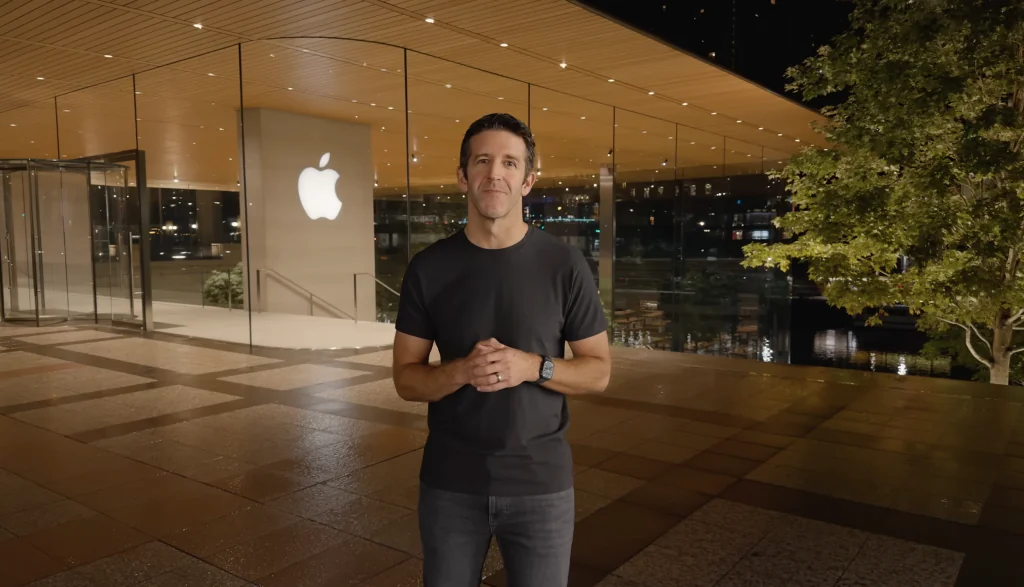
The transition of power at Cupertino is anything but a quiet handover. The internal town hall revealed a company actively restructuring its operational DNA, shifting from Cook’s supply-chain mastery to a hardcore, engineering-driven AI roadmap under Ternus.
The Post-Cook Era: A Textbook Transition
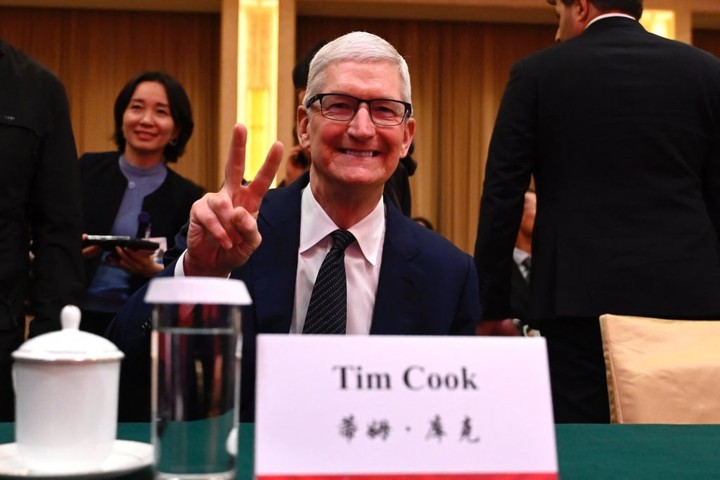
Tim Cook, 65, directly addressed rumors regarding his health, confirming he remains energetic and will transition to the role of Executive Chairman. In this capacity, Cook will act as Apple’s chief diplomat—a role he has perfected over 15 years, particularly through his frequent, high-stakes visits to China to stabilize Apple’s largest overseas market. Cook described the current state of the company as having a “stellar product roadmap” fueled by the historic financial success of the iPhone 17 series. He emphasized that this handover is designed to be a “textbook transition” that future business schools will study.
The All-In AI Hardware Roadmap
Ternus, known for his methodical execution of the Mac’s transition from Intel to Apple Silicon, is imposing a radical “AI-first” mandate across all departments. The internal operational shift is staggering: business teams have been allocated an unprecedented $300 daily Claude Token budget, and managerial promotions are now directly tied to a team’s AI utilization rate.
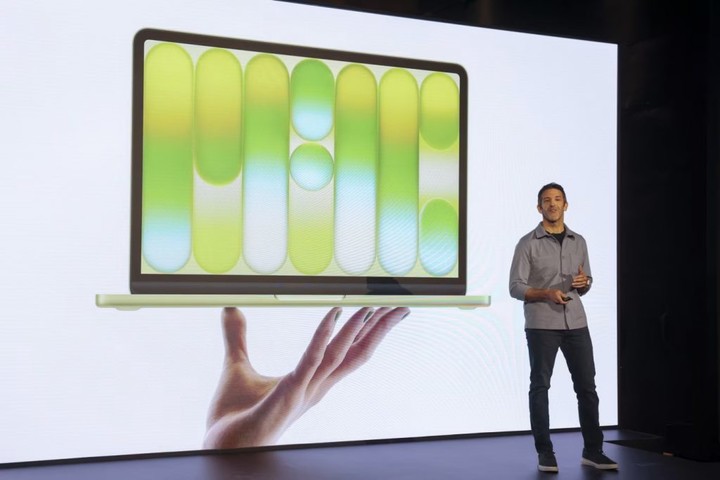
Before his elevation to CEO, Ternus spearheaded the development of three critical AI-native hardware categories: AirPods equipped with infrared cameras, lightweight AI smart glasses, and an AI-powered wearable brooch. He is also overseeing a completely revamped smart home lineup, which includes a Face ID-enabled HomePod with a display, a desktop robotic assistant, and a smart security camera. These form factors are engineered to integrate deeply with the upcoming, more capable iterations of AI Siri.
Executive Reshuffle: Srouji’s Rise and Rockwell’s Dilemma
This monumental pivot is causing intense friction within Apple’s executive ranks. To solidify hardware engineering, 61-year-old Johny Srouji has been elevated to the newly created, unprecedented role of Chief Hardware Officer (CHO), effectively making him the company’s second-in-command. Known for his micromanagement and fierce leadership, Srouji will distribute his immense portfolio—hardware engineering, silicon, advanced technologies, platform architecture, and project management—among five lieutenants.

However, the internal restructuring has alienated key talent. Mike Rockwell, the visionary behind the Vision Pro who took over the AI Siri division last year, is reportedly considering exiting or shifting to an advisory role next year. Rockwell’s ambition to act as an independent product decision-maker was stifled when his division was folded under Software Chief Craig Federighi. Compounding this talent retention crisis is a broader generational shift; many executives promoted during Cook’s early tenure, such as Jeff Williams who departed last year, are reaching retirement age, leaving Ternus to rebuild the leadership pipeline from scratch.
The Attribution Gap
Behind the dazzling hardware announcements lies a harsh reality for digital marketers. As Ternus accelerates the deployment of AI glasses, smart AirPods, and desktop robots, the fundamental nature of iOS distribution is mutating.
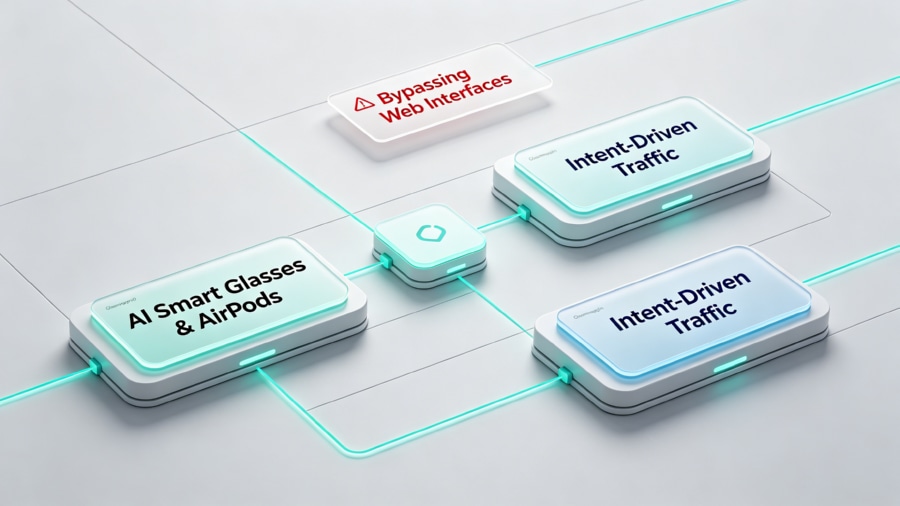
App marketers are accustomed to “Active web traffic”—a user scrolling through a social feed, clicking a banner, and downloading an app. The new Apple hardware ecosystem heavily prioritizes “Intent/Task-driven traffic.” When a user issues a voice command to their AI smart glasses to “book a ride” or “order groceries,” the AI Agent bypasses traditional web interfaces and executes the task directly.
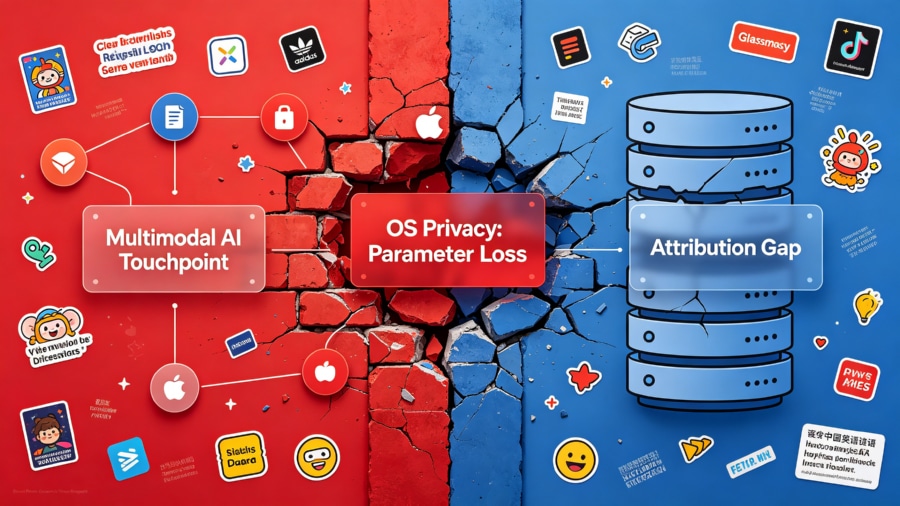
This multimodal interaction creates a catastrophic attribution gap. As intent parameters cross the physical boundary from an AI wearable into the locked-down iOS App Store environment, the data thread is deliberately severed by Apple’s strict privacy framework. Marketing teams face instant data discrepancy; they can observe the final app installation but lose complete visibility into the specific AI-driven touchpoint that initiated it. Without a deterministic tracking bridge, optimizing Return on Ad Spend (ROAS) becomes a blind guess.
Engineering Practice: Rebuilding Attribution via SKAdNetwork
To survive this OS-level lockdown, growth teams must abandon outdated probabilistic tracking and fully integrate with Apple’s native privacy compliance frameworks.
Problem: The proliferation of intent-driven wearable traffic, combined with impenetrable OS privacy rules, causes severe parameter loss during the app installation phase. This renders traditional attribution models useless and artificially inflates Customer Acquisition Cost (CAC). Practice: Engineering teams must rigorously implement Apple’s SKAdNetwork to receive cryptographically validated install postbacks. Simultaneously, to bridge the gap for non-organic web-to-app flows, developers should deploy sophisticated deferred deep linking solutions. By utilizing openinstall’s ASA tracking and SKAdNetwork compliance infrastructure, apps can securely capture aggregated campaign data while remaining strictly within Apple’s privacy guidelines.

Benefit: This dual-layered approach restores visibility into user acquisition channels, minimizes data discrepancy, and provides verifiable ROAS metrics for highly fragmented, cross-device traffic sources.
Industry Forward-looking Note: Regarding cross-device parameter passing for intent-driven traffic initiated by autonomous AI Agents on wearable hardware, openinstall’s tech lab is currently conducting joint exploratory research with leading App partners. If your team is facing this specific challenge in attributing multimodal LLM interactions, early architectural adaptation is highly recommended.
Impact on Dev & Growth Teams
For Developers/Architecture: The shift mandates an immediate overhaul of the app’s codebase. Developers must configure the Info.plist to properly map SKAdNetwork IDs and design robust conversion value schemas (using coarse and fine values in SKAN 4.0/5.0). Signature verification protocols must be tightened to prevent Ad Fraud, ensuring that the postbacks received from the App Store are legitimate and untampered.
For Product & Growth: Growth leads must accept that granular, user-level tracking is dead. The focus shifts to cohort analysis and predictive LTV modeling based on aggregated SKAdNetwork data. Product teams must leverage contextual restoration techniques—ensuring that even if a user enters the app via a delayed AI-agent task, the onboarding UI dynamically adapts to fulfill the initial voice or visual intent without requiring manual tracking parameters.
Frequently Asked Questions (FAQ)
How does the leadership shift to John Ternus affect iOS distribution?
Ternus’s engineering-first background ensures that Apple’s hardware and software integration will become even more tightly coupled. This means stricter enforcement of privacy compliance rules, forcing all iOS distribution and marketing efforts to rely exclusively on privacy-centric frameworks like SKAdNetwork rather than third-party tracking.
What is the role of SKAdNetwork in the new AI hardware ecosystem?
As Apple introduces AI glasses and camera-equipped AirPods, user interactions become highly fragmented. SKAdNetwork acts as the only OS-sanctioned mechanism to attribute app installs generated by these varied, intent-driven touchpoints without compromising user identity, resolving the inevitable data discrepancy.
Why must growth teams adopt SKAdNetwork immediately?
Relying on deprecated tracking methods like fingerprinting invites swift rejection from the App Store. Mastering SKAdNetwork is mandatory to accurately measure user acquisition campaigns, optimize ad spend, and maintain a competitive edge in a privacy-first mobile economy.
Industry Observations
The elevation of John Ternus and the aggressive internal pivot to AI hardware signal a point of no return for the global mobile ecosystem. Apple is systematically dismantling the remnants of the open-web tracking era, replacing it with an impenetrable, hardware-enforced privacy fortress.
This structural shift renders legacy marketing tactics obsolete. The companies that will dominate the next decade of iOS distribution are those actively restructuring their data architectures today. Embracing SKAdNetwork is no longer an optional compliance exercise; it is the definitive engineering baseline required to survive and scale within Apple’s increasingly autonomous, AI-driven walled garden.