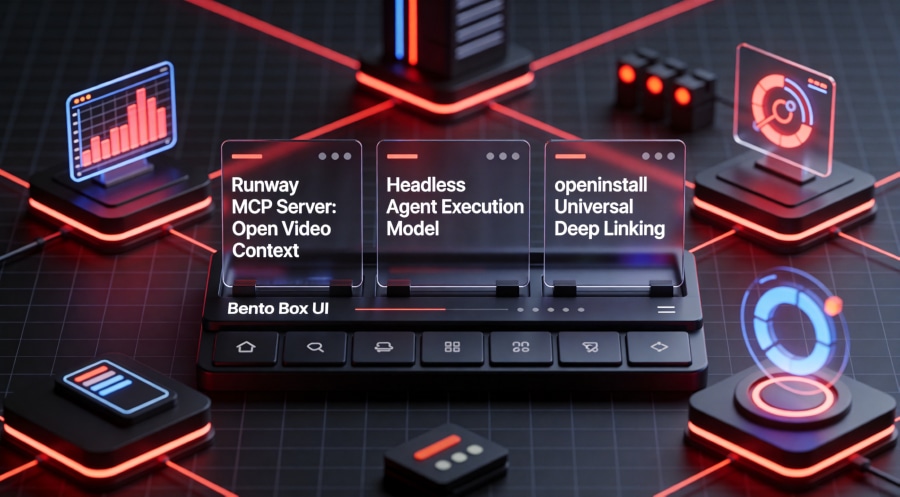
Runway Launches MCP Server? This collaborative data openness has been conclusively validated by recent repository deployments, where open-ecosystem protocols officially dismantle data silos across the global creator space. In May 2026, the generative video pioneer commercialized its open architecture to bridge foundational multi-modal models with modern developer workflows. Specifically, this systemic protocol release allows autonomous agents to execute complex generation instructions without manual window toggling. For mobile product leads tracking this abrupt distribution shift, the operational reality demands an immediate infrastructure upgrade. Crucially, as functional tools decouple from traditional host interfaces, developers must stabilize their deep link pathways to preserve tracking integrity across non-visual engagement matrices.
News & Context Breakdown: Transforming Development as Runway Launches MCP Server
The emergence of open context standards completely alters how applications consume high-fidelity visual assets. Software development teams are shifting away from rigid, standalone software dependencies. Instead, they are embracing unified communications matrices.
Protocol Architecture and Standard Transport
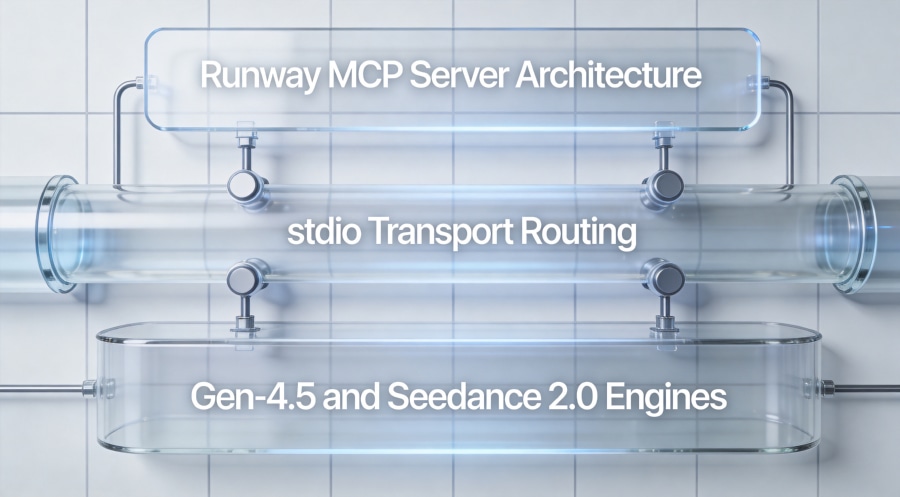
On May 27, 2026, tech infrastructure trackers confirmed the official deployment of the Runway AI Video Generation connection suite. Specifically, engineers published version 0.1.0 of the application protocol layer to public package networks under the standard identifier io.github.sidart10/runway-mcp-server. This engine utilizes standard input/output streams via stdio transport architectures to orchestrate secure communications. Consequently, any host environment can execute the framework as a sandboxed background subprocess. The configuration requires a dedicated environmental key string for authorization, pulling credentials straight from the main platform access network.
Multi-Modal Model Arrays Inside Unified Contexts
The architectural framework brings unprecedented capability matching to distributed development teams. Crucially, the protocol coordinates compute jobs across multiple generative engines simultaneously. For instance, the system routes basic generative scripts through advanced Gen-4 or Veo 3 nodes to handle rapid image-to-video processing. Meanwhile, the specialized Aleph pipeline manages native 4K resolution upscaling routines on raw outputs. Furthermore, production pipelines can leverage next-generation generative layers like Gen-4.5 and Seedance 2.0. This ensures developers pull optimal performance directly into active work sessions.
Workflow Automation When Runway Launches MCP Server
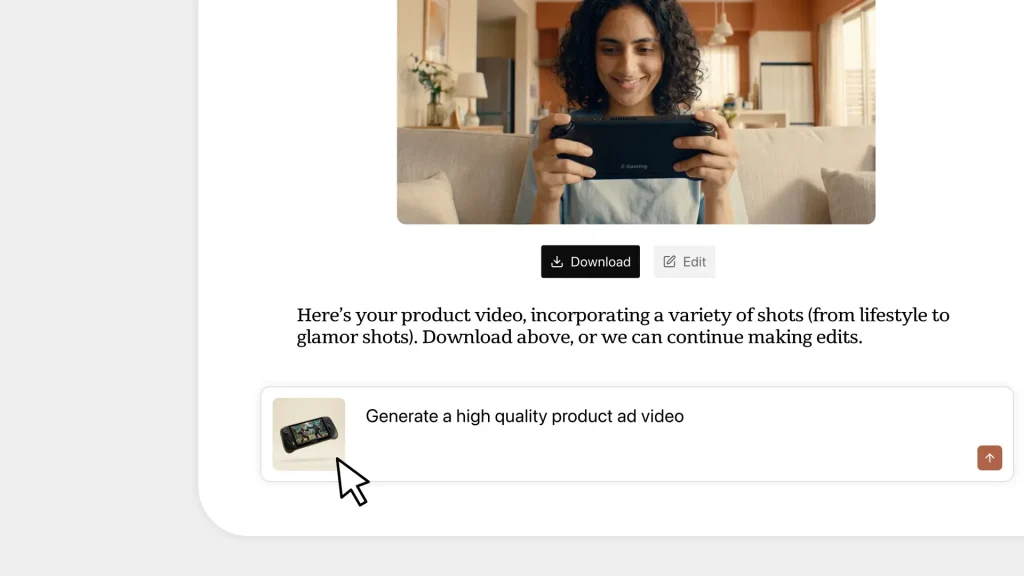
The primary objective of this integration strategy focuses heavily on complete contextual preservation. Previously, creators endured severe context rot when manually porting reference media across separate user interfaces. Now, the system natively integrates with popular developer environments like Cursor, Claude Code, and ChatGPT workspaces. Developers simply pass a structured asset link or a natural language prompt to the local agent layer. The software then triggers the necessary media calculations instantly, returning the completed video asset directly into the active terminal layout without dropping session state.
Hosted Infrastructure and Ecosystem Expansion
The rollout coincides with a massive explosion in cloud-hosted agent playgrounds. Platforms like the online Playground environments now execute over 10,000 hosted protocol configurations simultaneously. This allows teams to coordinate complex operations across multi-vendor systems like Stripe, Sentry, and Notion simultaneously. To lower entry barriers for emerging software teams, the implementation framework links directly to existing subscription plans. This strategy completely eliminates the need for independent API transactional accounting.
The Attribution Crisis: The Vanishing User Journey
While creative teams leverage automated generation tools, digital growth specialists face an existential tracking problem. The widespread adoption of decentralized protocol servers breaks down traditional app discovery loops.
Historically, mobile application distribution relied on linear active web traffic. Consumers browsed a desktop site, viewed a marketing banner, clicked a web link, and passed through an app store funnel to trigger a local conversion. This predictable progression vanishes when Runway Launches MCP Server across the developer ecosystem.
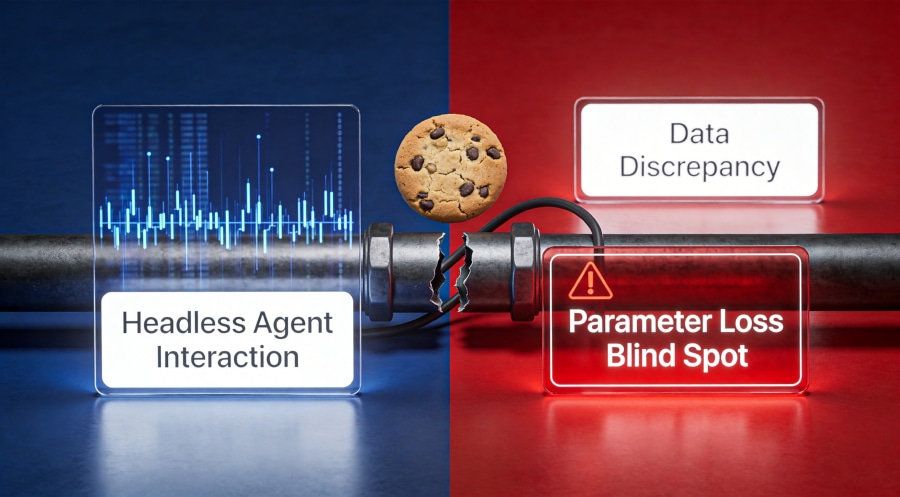
Transactions are migrating away from visible screens into automated, headless agents. When a background agent interprets an intention, it calls decoupled capabilities directly through an ecosystem server link. It downloads components, runs builds, and aggregates services without ever driving the consumer onto an official brand landing page. Specifically, standard mobile browsers and tracking cookies are completely bypassed. This triggers an immediate attribution crisis, resulting in severe parameter loss at the installation milestone. Traditional metrics show these automated activations as untracked organic movements, leaving growth teams completely blind to actual campaign yield.
Engineering Practice: Rewiring Edge Connectivity After an Ecosystem Shift
To maintain data integrity as decentralized automation frameworks capture user access loops, digital architectures must implement highly resilient routing structures.
Problem: Headless agents pulling structural capabilities across independent server protocols strip away traditional tracking parameters. This creates severe data discrepancies and corrupts downstream marketing analytics.
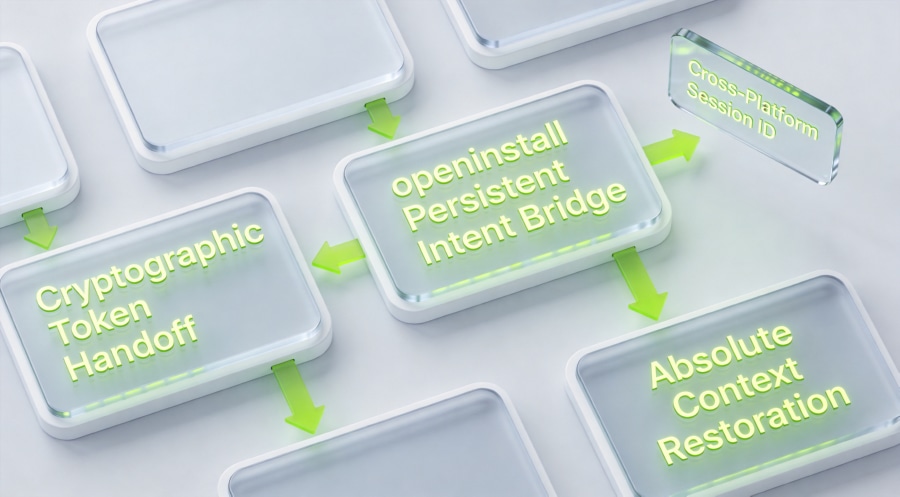
Practice: Modern software engineering units must abandon brittle web-based redirection setups. Instead, technical architects must deploy a comprehensive Deep Link and Universal Links architecture to form a persistent intent bridge across diverse hardware configurations. When an independent agent initiates an installation command through an open protocol link, the deep linking engine embeds a secure, contextual token directly into the terminal handoff sequence. Once the native application initializes on the user device, the system bypasses standard browser caching issues. It extracts the foundational payload to ensure accurate cross-platform session identification.
Benefit: This approach eliminates the cross-device data black hole. It provides growth operators with verified multi-touch attribution data, protecting user acquisition investments from metric gaps. Furthermore, it ensures absolute context restoration, allowing the app to deliver an immediate customized experience based on the exact intent parameters captured by the agent.
Industry Forward-looking Note: Regarding cross-device parameter passing for autonomous intent traffic triggered within decentralized multi-modal micro-servers, openinstall’s tech lab is currently conducting joint exploratory research with leading global hardware and cloud enterprise partners to build open telemetry safety standards.
Impact on Dev & Growth Teams
For Technical Architects/Developers: The shift toward headless execution requires a complete rewrite of traditional data ingestion endpoints. Developers must prepare database models to receive highly variable parameter structures from automated network calls. Furthermore, engineers must enforce strict signature verification protocols at every API boundary. This ensures that machine-to-machine interactions are properly audited, preventing rogue automated tools from corruptes data pipelines.
For Growth Specialists/Product Managers: Marketing managers must rapidly abandon basic click-based attribution strategies. As user attention shifts to conversational layers, success metrics must focus entirely on down-funnel retention and post-install user engagement loops. Budgets require real-time ROAS optimization focused on programmatic networks. Product teams must leverage stateful contextual restoration to keep user paths frictionless across fragmented hardware touchpoints.
Frequently Asked Questions (FAQ)
What immediate advantages occur when Runway Launches MCP Server into developer toolchains?
It enables developers to trigger professional-grade video generation tasks natively inside active coding environments like Cursor or Claude. This completely eliminates context switching, allowing teams to create rich media assets without leaving their primary workflow.
Why does this specific protocol update trigger a critical routing crisis for growth teams?
Because the software execution happens entirely in the background via machine-to-machine connections, bypassing traditional visible browser windows. Consequently, classic link-tracking scripts fail to capture the conversion source, leading to severe data discrepancy.
How do advanced deep linking frameworks prevent parameter loss in an agentic ecosystem?
They utilize cryptographic intent tokens that attach directly to the platform delivery layer during the initial user command. Even if the journey passes through an app store, the underlying system extracts the original source metrics on the first local boot sequence.
Industry Observations: Strategic Realities as Runway Launches MCP Server
The permanent shift toward unified context protocol layers signals a deep structural transformation across the global internet topology. The classic web model, built on standalone destinations and manual navigation paths, is facing systemic obsolescence. As major creative platforms open up their capabilities directly to background automation networks, computing is moving past the limitation of manual application interfaces.
Operational dominance now belongs to enterprise teams that can fluidly connect their systems to these evolving, headless data pathways. Continuing to fund brittle tracking methods will quickly result in absolute metric blindness. Technical leads must prioritize the deployment of highly secure, parameter-rich deep linking infrastructures to defend their visibility. By building robust cross-platform routing loops, forward-thinking organizations can successfully capture real user intent, securing stable growth as the software space transitions to autonomous execution.