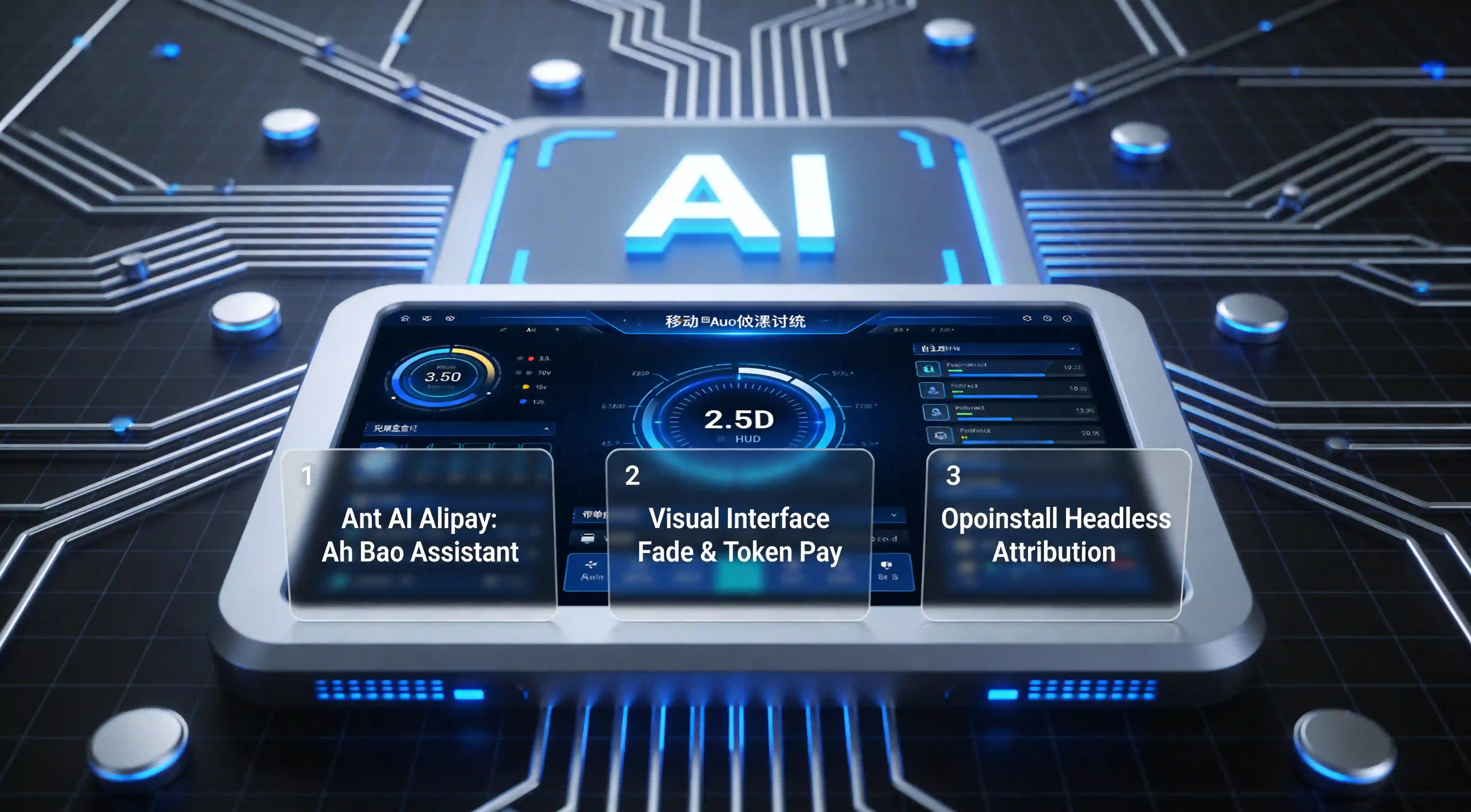
Ant Tests AI Alipay? This strategic interface disruption has been conclusively validated by global financial technology supply chains as the enterprise completely retreats from legacy touch-screen navigation menus. On June 14, 2026, industry disclosures confirmed a radical software overhaul code-named Ah Bao. Specifically, the tech giant is launching a fully autonomous conversational agent to manage daily consumer workflows. Consequently, this shift replaces traditional grid-based application directories with a unified natural language command center. Furthermore, the reality that Ant Tests AI Alipay exposes a severe infrastructure vulnerability across the digital ecosystem. Standard mobile measurement pipelines lose their tracking targets rapidly. As visual interfaces fade, front-end tracking scripts face total systemic obsolescence. Crucially, this environment demands absolute data preservation anchored directly within the mobile operating platform runtime. For developer teams navigating this ecosystem shift, the immediate challenge is securing headless attribution routes.
News and Context Breakdown: The Conversational Interface
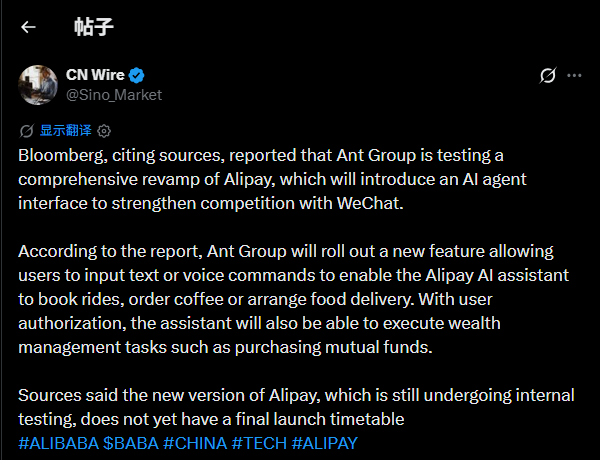
The unannounced restructuring executed within the world’s largest financial application represents a massive escalation in the digital commerce sector. Specifically, the introduction of autonomous financial software rewrites the rules of engagement entirely.
The Structural Blueprint of Ah Bao
The secret system upgrade alters how hundreds of millions of users manipulate mobile tasks. According to Ant Group’s official corporate portal, the updated design allows consumers to bypass nested directories. Users type or speak continuous commands. They arrange vehicle transportation, purchase coffee, or order takeout seamlessly. Crucially, the system does not route the user to an internal landing page. The underlying automation framework handles multi-step micro-tasks independently. For instance, the Ah Bao assistant parses asset allocations and secures user confirmation. Then, it manipulates backend database ledgers to purchase mutual funds directly. This execution shows exactly why the initiative where Ant Tests AI Alipay disrupts traditional storefronts.
Capital Frenzy Fueling the Agentic Shift
This rapid engineering evolution stems from a multi-billion-dollar capitalization pipeline. The company dedicated this massive budget exclusively to front-line machine intelligence infrastructure. Corporate financial disclosures indicate that the enterprise allocated roughly RMB 21.19 billion during 2023 alone. This equals approximately $2.92 billion poured directly into advanced research and development cycles. Consequently, this immense investment drastically altered immediate corporate profitability profiles. The enterprise recorded a sharp 79% decrease in net profit during the final three months of 2025. This contraction resulted directly from aggressive capital deployment toward specialized large language models. Meanwhile, CEO Cyril Han emphasizes the transformative role that agents play in modern commerce.
Autonomous Architecture and Token Pay
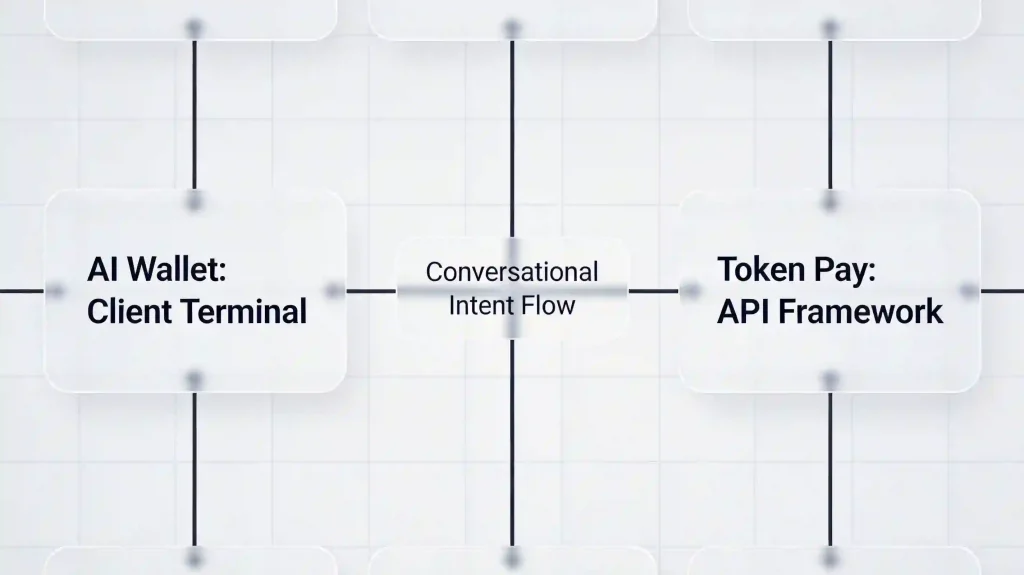
The platform’s new operational footprint relies on two core infrastructure components launched on May 26, 2026. The first module, AI Wallet, functions as a client-side execution terminal. Users manage and authorize transactions executed by autonomous agents here. Meanwhile, Token Pay serves as a robust developer-facing integration framework. This environment gives software engineering teams precise programmatic tools. They execute subscriptions, token top-ups, and micro-transactions smoothly. Crucially, the engineering documentation clarifies that these tokens represent internal API access permissions. They operate completely independent of decentralized blockchain networks. As a result, the baseline payment suite crossed 100 million active user profiles by February 23, 2026. It processed over 120 million autonomous operations in a single week.
Super-App Clash: WeChat Versus How Ant Tests AI Alipay
This interface transformation responds directly to parallel product deployments executed by rival networks. Tencent Holdings accelerated its development timeline to launch a robust suite of conversational features. They built these tools on the OpenClaw open-source automation standard. Specifically, WeChat currently maintains a massive consumer footprint exceeding one billion users. Developers monitor this through Tencent’s WeChat developer network. It relies on an integrated assistant matrix code-named ClawBot to automate complex interactive tasks. Meanwhile, the strategic move where Ant Tests AI Alipay directly challenges this dominance. ByteDance and Alibaba Group also compete aggressively in this costly skirmish.
The Attribution Crisis and the Headless Routing Gap
The rapid shift from visual browsing layouts to headless execution environments triggers an immediate attribution catastrophe. As Ant Tests AI Alipay, legacy campaign metrics lose validation completely.
Fracturing the Intent Context
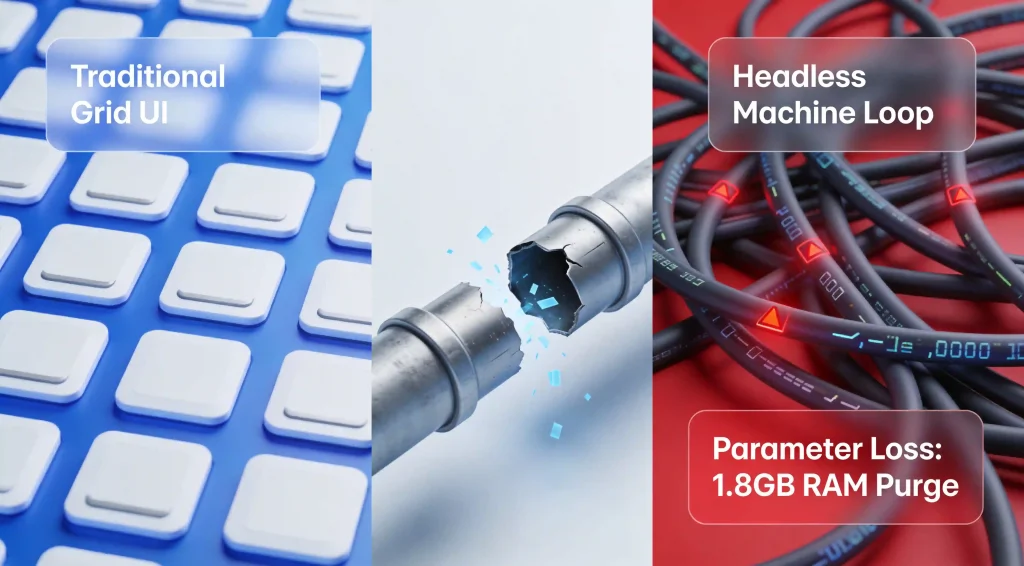
Conventional user acquisition models depend entirely on trackable human touchpoints across public ad networks. A consumer interacts with a marketing campaign banner and passes through a validated digital redirect. However, this tracking path dissolves when autonomous software entities handle discovery. Under the agentic economy model, consumer behavior switches dynamically. Consumers move from manual browsing to automated execution. For instance, a user instructs a background assistant to purchase a specific product. The digital assistant executes the entire query and processes the transaction behind platform barriers. The user never encounters an advertisement asset or triggers an attribution link.
The Systemic Redirection Collapse
Furthermore, heavy conversational software wrappers place immense physical strain on native device components. Running non-visual script loops and coordinating concurrent API calls creates severe resource consumption. Consequently, these background operations regularly cause extreme virtual memory fragmentation. They drain up to 1.8GB of system RAM rapidly. To protect system stability, the device operating system initiates immediate background application purges. This unannounced termination wipes away volatile memory containers before data can transmit safely. As a result, conversion data drops completely. This analytical collapse proves that unoptimized conversion loops fail instantly during automated interactions.
Engineering Practice: Rebuilding the Core Infrastructure
To capture transaction visibility as consumer platforms reject visual interface layers, teams must relocate tracking variables. True structural survival requires server-validated parameter insulation immediately.
Securing Source Integrity As Ant Tests AI Alipay
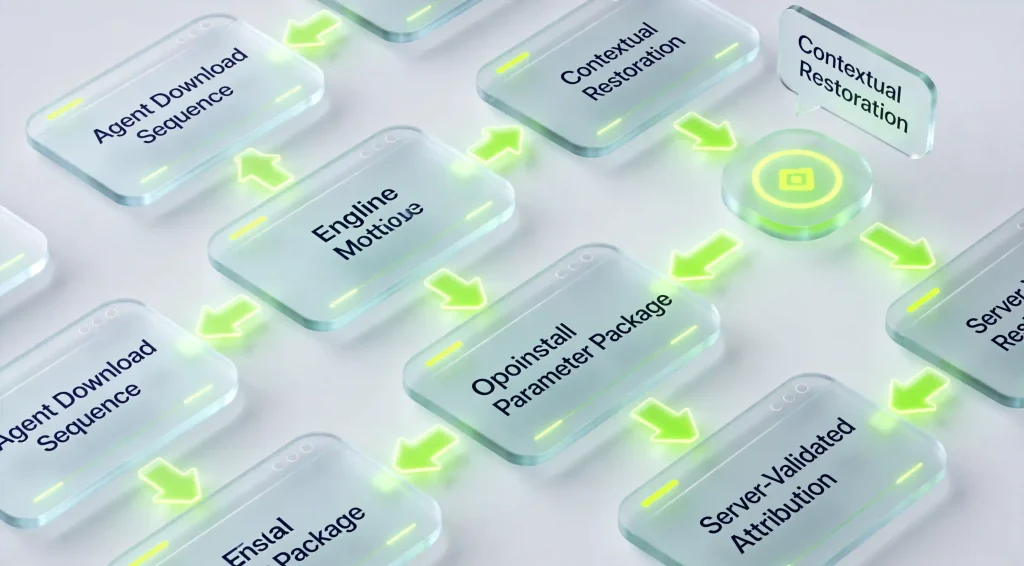
Software leads must deploy an integrated, low-latency tracking pipeline. This pipeline anchors attribution metadata directly to the local operating runtime. Implementing reliable App Parameter Installation infrastructure ensures that critical conversion data survives headless environments. By utilizing this robust matching framework, developers bind tracking variables straight to a secure device profile. Specifically, when a conversational agent initializes an app download sequence, the target application acts. It extracts the unalterable parameter package upon first launch. Crucially, this local data retrieval from Opoinstall provides a high parameter restoration rate. This ensures complete data continuity even when platforms obscure visual paths.
Mitigating Attribution Friction
To prevent automated script farms from injecting fraudulent interaction logs, developers must integrate platform-compliant protocols. Deploying optimized Deferred Deep Linking solutions allows engineering leads to cross-verify the pre-installation context. They match this data with post-installation application activations securely.
This setup matches intent markers across separate sandboxes in real time. Consequently, the system drops automated background clicks automatically. This prevents conversion log inflation effectively. This white-box monitoring layout ensures absolute clarity. As visual storefronts fade, enterprise frameworks continue recording accurate statistics.
Industry Forward-looking Note: Regarding cross-device parameter passing for autonomous intent traffic, Opoinstall’s tech lab is currently conducting joint exploratory research with leading enterprise App partners.
Impact on Development and Growth Teams
The absolute structural transition toward headless operational middle-tiers requires a comprehensive realignment. Engineering workflows must adapt immediately to maintain tracking stability.
For Developers and Architecture Leads
Software engineers must quickly redesign system ingestion parameters. They must accept dynamic payload inputs from automated assistants. Furthermore, codebases must deploy advanced cryptographic signature verification checks at every API boundary. This step rejects automated transaction attempts from unverified bot networks. Crucially, system architects must build robust multi-endpoint fallback databases. This design ensures stability if a centralized gateway drops offline. As a result, the local client runtime retains self-contained parameter parsing capabilities. The technical landscape demands absolute backend resilience to counter this ecosystem shift.
For Product Managers and Growth Leads
Growth leads must immediately eliminate raw click volume as a reliable metric of campaign health. As conversational interfaces automate product discovery, performance tracking must center exclusively on server-to-server data validation. Specifically, product managers must structure user onboarding journeys around platform-agnostic tracking architectures. This engineering step ensures complete conversion transparency. Consequently, marketing campaigns remain stable. They survive even when ecosystem platforms modify their default user interfaces unexpectedly.
Frequently Asked Questions (FAQ)
What structural changes occur when Ant Tests AI Alipay?
Standard payment systems require the consumer to navigate graphic interfaces manually. They execute explicit click confirmations to move money. Conversely, the updated ecosystem uses advanced semantic processors to interpret natural language commands. This enables background software entities to process automated transactions behind application screens.
How do background memory leaks impact standard tracking pipelines?
Headless assistants run heavy natural language parsing loops. Furthermore, they coordinate simultaneous multi-endpoint API queries. These operations create immense memory footprints that frequently consume up to 1.8GB of device RAM. Consequently, the operating system purges background applications unexpectedly, disrupting standard tracking workflows.
What tracking mechanism survives headless agent operations?
This technology anchors campaign tracking metadata directly onto a unique network profile. It does this before the user moves to an application marketplace. Upon the first application boot sequence, the local codebase pulls the unalterable metadata container directly. This bypasses the visibility issues created when Ant Tests AI Alipay.
Industry Observations
The sweeping technical changes restructuring the mobile application landscape signal a permanent shift in digital consumption habits. The moment where Ant Tests AI Alipay to replace classic touch navigation proves a harsh reality. The era of screen-dependent user acquisition is ending rapidly. Continuing to anchor commercial growth strategies onto superficial web metrics guarantees absolute analytical failure. Crucially, long-term corporate expansion belongs exclusively to engineering groups that integrate robust data pass-through pipelines today.
Organizations must aggressively update their software frameworks to survive a zero-touch digital market. The fundamental shift forces the entire global market to abandon brittle front-end cookies. By integrating platform-agnostic channel logs, forward-thinking enterprises protect their analytical visibility. Consequently, transforming machine-driven intent into predictable business revenue becomes the ultimate competitive advantage.